
If you manage crews, you already know how fast a “good project” can turn into a messy one when housing falls apart.
Not because someone can’t swing a hammer. Not because the schedule is impossible. But because after a ten or twelve-hour day, your guys go back to a place that feels temporary in the worst way. Loud. Cramped. Nowhere to cook. Nowhere to park. A “breakfast” that’s a muffin in plastic wrap. Then they do it again tomorrow. For a month.
And then they start quitting. Or asking to be moved. Or showing up tired and irritated, which is basically the same thing as not showing up at all.
Contractor housing seems like a simple checkbox. Book something. Put people in it. Done.
It’s not. Housing is retention. Housing is morale. Housing is whether the crew leader spends his evenings dealing with complaints or actually resting.
This is about fixing that, without getting fancy, and without blowing the budget.

The real cost of “cheap” housing (it shows up later)
A lot of contractor housing decisions start with the nightly rate. Totally understandable. But here’s what tends to happen with the cheapest option.
You save money on paper, and then you spend it back in other ways:
- More call-outs because people sleep like garbage
- More late arrivals because parking is a nightmare
- More meal costs because nobody can cook
- More turnover because people feel like they’re living out of a suitcase
- More time wasted by managers trying to “solve” housing issues that never stop
Also, and this one is underrated. When workers hate where they’re staying, they tend to blame the company. Even if the job itself is decent.
So yeah. That cheap room isn’t cheap. It just delays the invoice.
What contractors actually need from housing (not what travel sites advertise)
You do not need trendy furniture. Or an accent wall. Or a bowl of decorative pinecones.
You need the basics done right. The stuff that makes life feel normal for 30 to 90 days.
Here’s the short list that matters in the real world.
1. Space to decompress
After work, people need to spread out a little. Sit down. Watch something. Not feel like they’re still on the job. A private home setup usually wins here because it has actual living space, not just a bed beside a desk.
2. A real kitchen
This is huge. Crews get tired of fast food fast. A full kitchen means they can cook, pack lunches, control spending, and feel human again.
Even basic cooking changes everything.
3. In-home laundry
When the stay is 30 days plus, laundry stops being a “nice perk” and becomes a survival requirement. Especially for jobsite clothes.
4. Parking that doesn’t cause drama
If every night turns into “where do I put the truck” then you’ve already lost. You want driveway parking, garage access if possible, and a setup where nobody is circling the block at midnight.
5. Quiet, safe, predictable
Not sterile. Just calm. A residential area where people can sleep. Where they’re not dealing with elevators, hallways, random noise, and constant foot traffic.
Why better stays reduce turnover (it’s not a mystery)
Turnover usually looks like a work problem. But sometimes it’s a life problem.
When a worker is away from home, they’re doing mental math every day:
- Is this worth it
- Am I saving money or bleeding money
- Am I sleeping
- Do I feel respected by the company or like a disposable body on a roster
Housing answers those questions quietly.
Good housing says: we planned. We care. We want you stable.
Bad housing says: you’ll take what you get.
And people respond accordingly.
Hotels are fine for a few nights. Month-to-month is different.
Extended-stay hotels are built for convenience, but they still come with limitations that grind people down over longer assignments.
Common issues I hear over and over:
- Small rooms, no separation between “sleep” and “life”
- Shared walls, constant noise, random neighbors
- Tiny kitchens or none at all
- Laundry that costs money and time
- Parking that’s tight, limited, or unsafe for work vehicles
- That feeling of living in a hallway
For a three night trip, whatever.
For a 45 day assignment near a base or a jobsite, it adds up fast.
A furnished home, when it’s done right, feels like an actual temporary home. Not a holding cell with a keycard.
“Near Quantico” matters more than people think
If your project is in the Quantico area, or your teams are supporting work tied to Marine Corps Base Quantico, location is not just a convenience. It’s a daily quality of life multiplier.
Minutes matter when you’re commuting every day. Especially early mornings, gate traffic, I-95 unpredictability, and just the general reality of Northern Virginia driving.
This is one reason Triangle, Virginia keeps coming up in contractor housing conversations. It’s positioned to be close to the gates, and it’s also practical for getting around Dumfries, Stafford, and the surrounding corridor.
Less time driving. More time sleeping. Fewer complaints. Lower turnover. It sounds simple, because it is.
What to look for when booking contractor housing (a quick checklist)
If you’re booking for a crew lead or multiple workers, run through this list before you commit. Saves you from the “we’re stuck here for 60 days” regret.
Must-haves
- Fully furnished, not half-furnished
- Multiple bedrooms if you’re housing more than one person
- Full kitchen (stove, fridge, cookware, not just a microwave)
- Washer and dryer in the home
- Strong WiFi that can handle streaming and work stuff
- Driveway or garage parking
- Clear check-in and support process
- Flexible 30 day plus or month-to-month terms
Nice-to-haves that make a difference
- Quiet neighborhood
- Dedicated workspace corner (even a simple desk)
- Easy access to I-95
- Stores and food nearby for quick errands
- Simple, direct booking so you’re not playing phone tag
A practical option near Quantico (without the hotel feel)
This is where a local provider is usually better than a random listing you found at 11 PM.
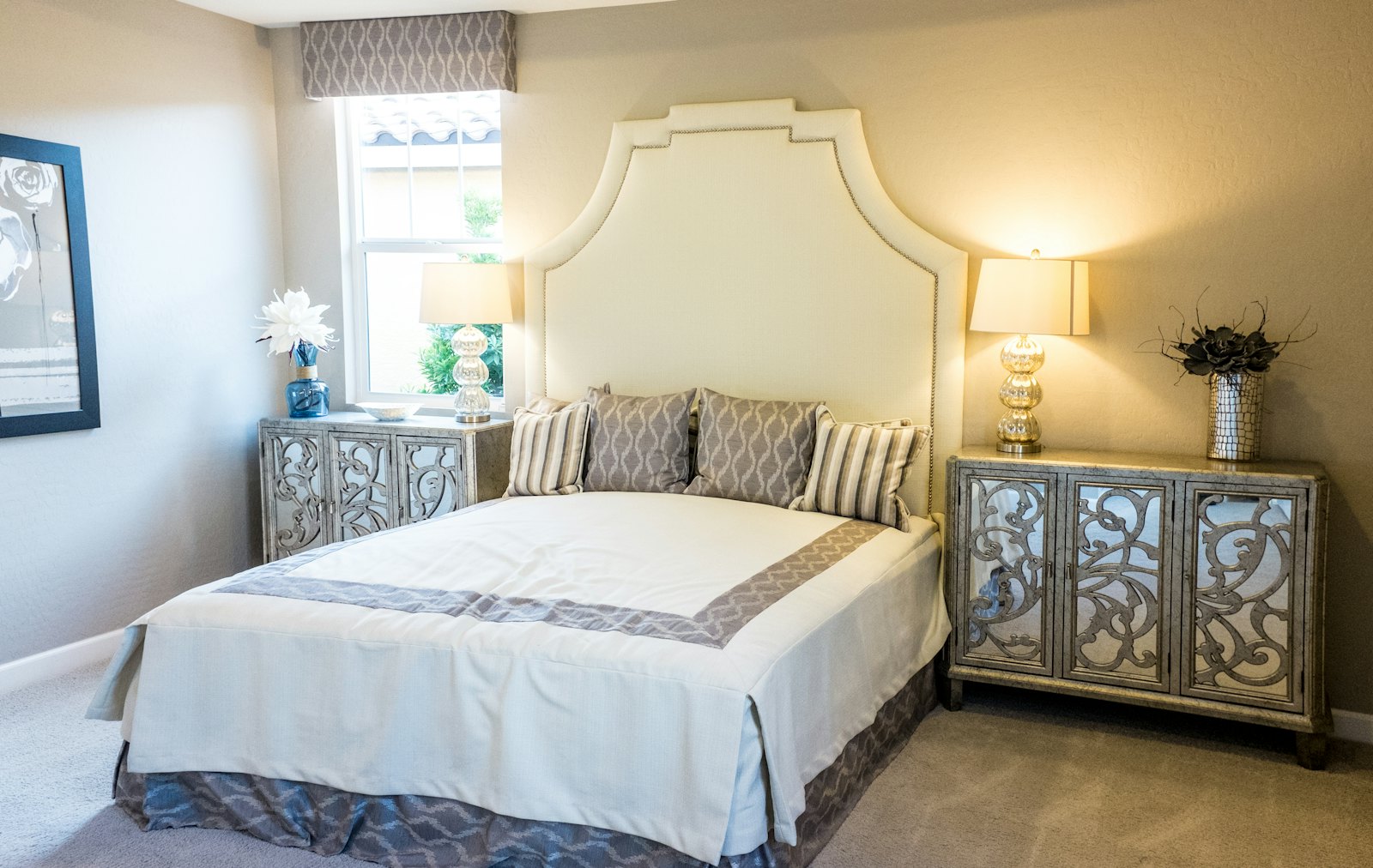
If you’re placing workers for 30 day plus stays near Quantico, Quantico Short Term Rentals is set up specifically for that use case. Fully furnished private homes in Triangle, Virginia, positioned as a cleaner alternative to extended-stay hotels.
The kind of features that matter for contractors are already baked in:
- Multiple bedrooms so crews have breathing room
- Full kitchen for real meals
- In-home washer and dryer
- Garage and driveway parking
- Quiet residential setting, not a busy commercial property
- Close access to the base and I-95 for commuting
If you want to check current availability, see photos, or take a virtual tour, you can start here:
https://quanticoshorttermrentals.com
No need to overcomplicate it. Just see if the dates line up.
Tips for keeping crews happy once they move in (small stuff, big payoff)
Even with great housing, a few small decisions can keep things smooth.
Set expectations upfront
Who is sharing what space. Quiet hours. Parking spots. Trash days. It sounds obvious, but it prevents friction.
Give them the “how to live here” basics
WiFi info, laundry, where to buy groceries, where to grab a quick meal, how to contact support if something breaks.
Don’t ignore minor issues
A broken dryer or weak WiFi doesn’t stay minor for long. Fast fixes keep morale intact.
Consider privacy as part of compensation
If you’re housing multiple people, separate bedrooms is the baseline. Nobody wants to sleep on a couch for six weeks. That kind of setup is a turnover machine.
The bottom line
If you want to reduce turnover, stop treating housing like an afterthought.
Better stays don’t have to be luxury. They just have to be livable. A real kitchen. Laundry. Parking. Quiet. Space. Close to the job.
When workers can come “home” after work, they last longer on the assignment. They complain less. They perform better. And you spend less time putting out fires that never should have started.
If you’re staffing projects near Quantico and need a month-to-month furnished home setup, take a look at Quantico Short Term Rentals and check availability here:
https://quanticoshorttermrentals.com
FAQs (Frequently Asked Questions)
Why is contractor housing more than just booking a place to stay?
Contractor housing impacts crew retention, morale, and overall job performance. Poor housing leads to tired, irritated workers who may quit or request transfers. Good housing helps crews rest properly, reducing complaints and improving productivity.
What are the hidden costs of choosing cheap contractor housing?
While cheap housing saves money upfront, it often results in more call-outs due to poor sleep, late arrivals from parking issues, increased meal expenses because workers can’t cook, higher turnover rates, and wasted management time solving ongoing problems.
What essential features should contractor housing have for long-term stays?
Contractor housing needs space to decompress, a real kitchen for cooking meals, in-home laundry facilities for jobsite clothes, convenient parking for work vehicles, and a quiet, safe environment that feels like a stable home rather than temporary lodging.
How does quality contractor housing reduce employee turnover?
Good housing signals that the company cares about worker stability and well-being. It answers workers’ daily concerns about worthiness, savings, sleep quality, and respect. This fosters loyalty and reduces turnover caused by dissatisfaction with living conditions.
Why are extended-stay hotels not ideal for long assignments?
Extended-stay hotels often have small rooms without separation between sleep and living areas, thin walls with noise disturbances, limited kitchen facilities, paid laundry services, tight parking unsuitable for work vehicles, and an overall feeling of confinement that wears on workers over time.
Why is location near Quantico important for contractor housing?
Proximity to Marine Corps Base Quantico reduces daily commute times amid heavy traffic and gate delays common in Northern Virginia. Areas like Triangle, Virginia offer practical access to Quantico and surrounding corridors, leading to better rest for workers and lower turnover rates.