

Living in a furnished rental for 30 days or longer is this weird in between season.
It is not a hotel. It is not fully your house either. And if you are here for a military school, a temporary assignment, a relocation, or just a stretch of life that requires you to be functional Monday through Friday… you start caring about stuff you usually ignore.
Like. Where do I take calls without echo.
Where do I study without falling asleep.
Where do I work out without destroying the living room.
That is what this is about. Making one home feel like three different places. Sleep, study, train. Separate zones. Even if you are sharing the place with a spouse, a roommate, kids, or you are just sharing it with your own bad habits.
And yes, this is very doable in a quiet residential furnished home, which is kind of the whole point of choosing a place like Quantico Short Term Rentals instead of an extended stay hotel.
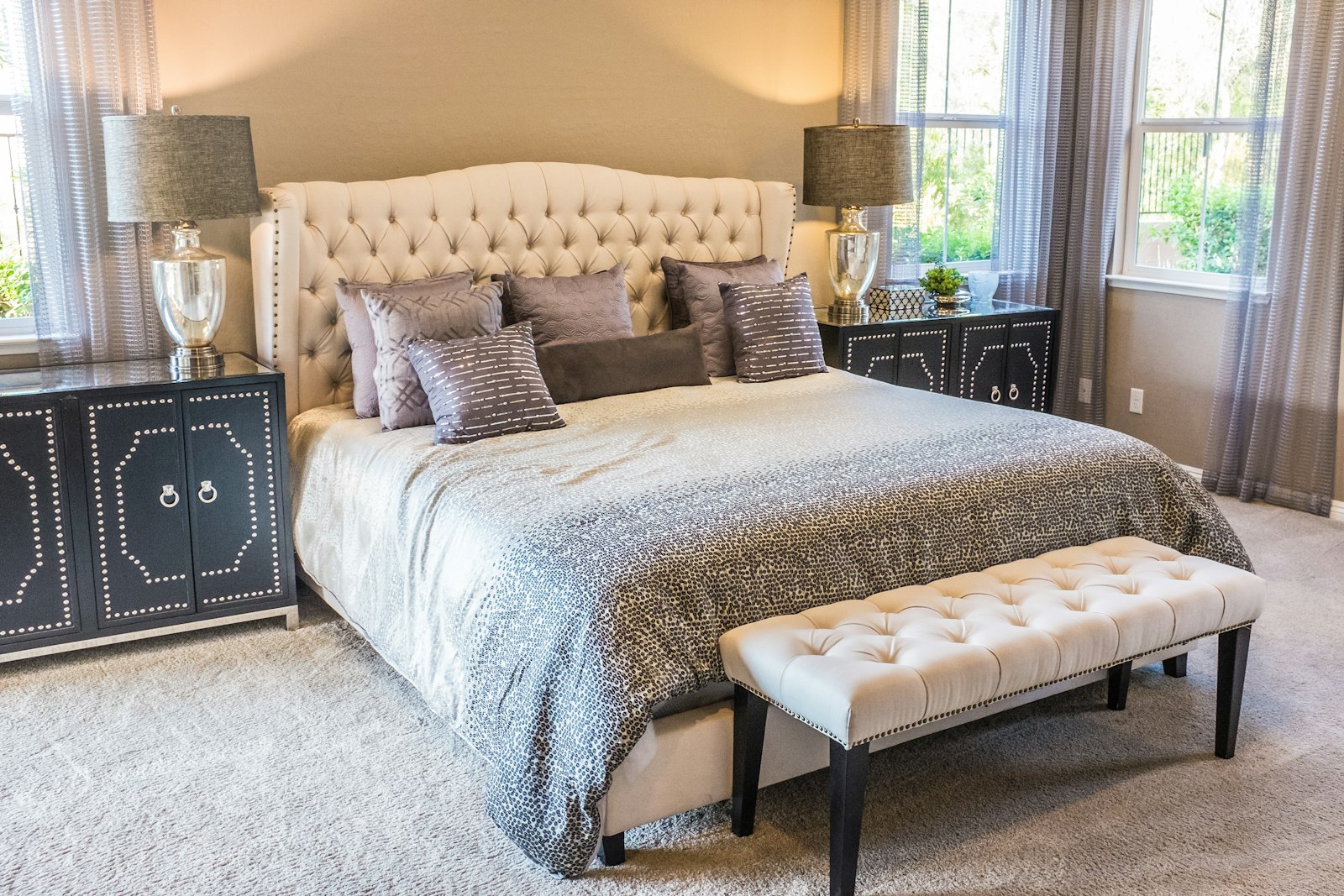
Why zones matter more on longer stays
For a weekend trip, you can live out of a bag and sit on the bed with your laptop and call it a day.
For a month or two. That falls apart fast.
Your brain starts associating spaces with activities. If you study in bed, bed becomes “thinking and stress.” If you work out next to your desk, your desk becomes “sweat and distraction.” If you scroll on the couch until 1 a.m., suddenly the living room is your insomnia cave.
Zoning is basically telling your nervous system, hey. This spot is for sleeping. That spot is for focused work. Over there is where we burn off energy.
You do not need more square footage. You need clearer boundaries.
Start with the easiest win: the sleep zone
Sleep is the foundation. If sleep is messy, everything else becomes harder, including training consistency and study retention.
Here is what I would do in a furnished rental to make the bedroom a dedicated sleep zone.
1) Remove “work cues” from the bedroom
If you can avoid it, do not keep your laptop on the nightstand. Do not stack papers on the dresser. Do not take Zoom calls from bed.
If you absolutely must do some work in the bedroom, keep it contained. One corner. One chair. And when you are done, close the laptop and physically move it out.
That small action matters more than it sounds.
2) Make the bed feel like a reward
Most furnished rentals already do the basics. But you can still upgrade the feel without buying a bunch of stuff.
- Bring your own pillow if you are picky. Worth it.
- Set the thermostat cooler at night if possible.
- Use a small fan or white noise app if you are near a road.
- Put your phone on the opposite side of the room if you can handle it. If you cannot, at least put it out of reach.
3) Light control is everything
Blackout curtains are ideal, but even without them, you can do a lot.
- Close blinds before sunset.
- Use warm lamps at night. Avoid harsh overhead lighting late.
- Keep the bedroom as dark as you can when you sleep.
If you are on a schedule tied to early report times or long commuting days, the dark room thing stops being “nice.” It becomes required.
The study zone: design for focus, not comfort
Studying is not supposed to be cozy. Sorry. It can be pleasant, sure, but not bed cozy.
Your study zone should feel like “we are here to finish something.”
In many homes, the best spots are:
- A dining table corner
- A spare bedroom used as an office
- A quiet nook near a window
- Even a kitchen counter, if the lighting is good and the chair is decent

1) Pick a consistent seat
This sounds silly, but consistency is what trains your brain.
Same chair. Same surface. Same general time of day if possible.
If you bounce between couch, bed, kitchen, and floor, your brain never locks in.
2) Set up a “start studying” ritual
Keep it simple. Something you repeat.
- Fill a water bottle
- Open notebook
- Put phone on Do Not Disturb for 45 minutes
- Start a timer
Now your body knows the drill.
3) Keep the study zone visually clean
You do not need a minimalist influencer desk. You just need less noise.
Try this:
- Only keep the items you need for the current task on the table
- Everything else goes in a drawer, bag, or bin
- End each session by resetting the area in 60 seconds
That reset is underrated. It makes it easier to start again tomorrow.
4) Make distractions inconvenient
Not forbidden. Just inconvenient.
Put the TV remote in a drawer while you study. Leave snacks in the kitchen. Put your phone across the room.
If you are staying in a fully furnished home with multiple rooms, this gets easier because you can physically move away from distractions, which you cannot do in a hotel room.
The training zone: keep it frictionless and respectful to the home
You might be training for a fitness test. Or you might just be trying to keep your mental health intact.
Either way, you want a zone that says “this is where we move.”
And if you are in a rental, you also want to avoid damaging floors or making a ton of noise.

1) Choose the right surface
The best spot is usually:
- Garage area if available
- A spare room with open floor space
- A living room corner with a rug
If you are doing anything with impact, use a mat. Even a basic yoga mat plus a thicker exercise mat helps.
2) Pick a small “kit” you can store neatly
You do not need a full gym setup. A few items go a long way:
- Resistance bands
- A jump rope (only if noise is not an issue)
- Adjustable dumbbells or a single kettlebell
- A yoga mat
- A door anchor for bands
Keep it in one bag or bin. Store it in a closet. The cleaner it is, the more likely you will use it.
3) Create a cue that says “training starts now”
Same idea as the study ritual.
- Put on shoes
- Put mat down
- Start a specific playlist
- Do a 2 minute warm up
Your brain likes cues. It stops negotiating.
4) Noise and neighbor sanity
If you are in a quiet neighborhood, be a good neighbor.
- Avoid jumping workouts late at night
- Use controlled movements
- If you lift, do not drop weights
You can get a serious workout with slow reps and minimal noise, honestly.
What if you are sharing the home with someone else?
This is where zoning becomes less “productivity hack” and more “relationship survival.”
A few practical moves:
1) Claim zones, but also claim times
You may not be able to claim a whole room.
So you claim a block of time.
Example:
- 6:30 to 7:15 a.m. living room is training zone
- 7:30 to 9:30 p.m. dining table is study zone
Make it explicit. Put it on a shared calendar if you need to.
2) Use headphones like an adult
If one person is studying and another wants to watch something, headphones solve 80 percent of the problem.
3) Build a “quiet hour”
One hour a day where nobody runs appliances, blasts audio, or does loud tasks.
In longer stays, this becomes the difference between “fine” and “we are snapping at each other.”
A simple layout idea that works in most furnished homes
Here is a practical setup that fits a typical multi bedroom furnished rental.
- Bedroom = sleep only. Reading is fine. Work is not.
- Dining area or spare bedroom = study zone. Laptop, notebook, charger. Timer.
- Garage or living room corner = training zone. Mat, bands, small weights.
Even if you are only in town for 30 to 90 days, this layout makes the place feel like it supports your routine, instead of fighting it.
The underrated part: transitions
The hardest thing about doing all three in one home is not space. It is switching modes.
So add transitions. Short ones.
- After studying, take a 5 minute walk outside, then come back and eat.
- After training, shower and change clothes even if you are staying in.
- Before sleep, dim lights and stop “future planning” conversations.
You are basically telling your brain, new chapter.
And it works.
Why this is easier in a home than in an extended stay hotel
Hotels compress your whole life into one room.
Sleep next to your work setup. Eat next to your bed. Try to work out next to the TV. It is doable, but it is mentally loud.
A private furnished home gives you what hotels rarely can:
- Separate rooms
- A real kitchen and table
- Laundry on site
- Space to spread out without feeling like you are living inside your suitcase
If you are coming to the Triangle, Virginia area for a longer assignment near Quantico, this is the kind of stay where zoning actually becomes possible.
If you want to see what that looks like in real life, you can check availability and view the details at Quantico Short Term Rentals. It is set up specifically for 30 day plus stays, and the “home, not hotel” thing is not just a slogan. It changes how you live day to day.
Quick checklist you can use tonight
Sleep zone
- Phone not on the bed
- Room darker and cooler
- No work materials in sight
Study zone
- One consistent chair and surface
- Timer ready
- Phone across the room or DND
Training zone
- Mat down or equipment ready
- Small kit stored neatly
- Plan chosen before you start
That is it. Not perfect. Just clear.
And after a week, it starts feeling normal. Which is the goal.
Because when your space has separate zones, your day stops bleeding into itself. You sleep better. You study faster. You train more consistently.
And honestly. You feel more like yourself again.
FAQs (Frequently Asked Questions)
Why is zoning important when living in a furnished rental for 30 days or longer?
Zoning helps your brain associate specific spaces with activities, which is crucial for longer stays. For example, having separate zones for sleep, study, and training prevents stress and distractions that occur when you mix activities in one area. It creates clear boundaries that improve focus, rest, and productivity during your stay.
How can I create an effective sleep zone in a furnished rental?
To make the bedroom a dedicated sleep zone, remove work cues like laptops and papers from the room, make the bed feel like a reward by bringing your own pillow and controlling temperature, and manage light by using blackout curtains or closing blinds before sunset. Also, keep phones out of reach to promote better sleep quality.
What are some tips for setting up a productive study zone in a furnished rental?
Choose a consistent seat such as a dining table corner or spare bedroom, establish a start studying ritual like filling a water bottle and setting a timer, keep the study area visually clean by limiting items on the desk to essentials only, and make distractions inconvenient by putting away remotes and placing your phone across the room.
How do I maintain a functional training zone in a furnished rental without damaging the space?
Select an appropriate surface for workouts that protects floors and minimizes noise. Use equipment like yoga mats or resistance bands to avoid damage. Keep your training area organized and respectful to the home’s layout to ensure you can exercise effectively while preserving the rental’s condition.
What advantages do furnished rentals like Quantico Short Term Rentals offer over extended stay hotels?
Furnished rentals provide separate zones for sleeping, studying, and training within quiet residential homes, offering more space and clearer boundaries than hotel rooms. This setup supports better functionality during longer stays such as military assignments or relocations by reducing distractions and improving comfort compared to typical extended stay hotels.
How can I manage work-life balance effectively when staying temporarily in a furnished rental?
Establish distinct zones for different activities: keep work out of the bedroom to protect your sleep zone, dedicate specific areas for focused study or work with consistent seating and rituals, and create a separate training space. These boundaries help maintain mental clarity and prevent overlap of stressors during your temporary stay.

